



Chinese Super League aligns with international standards, VAR on-site broadcast testing begins

17/08/2026 11:35:08 SportPulse
 0
0  0
0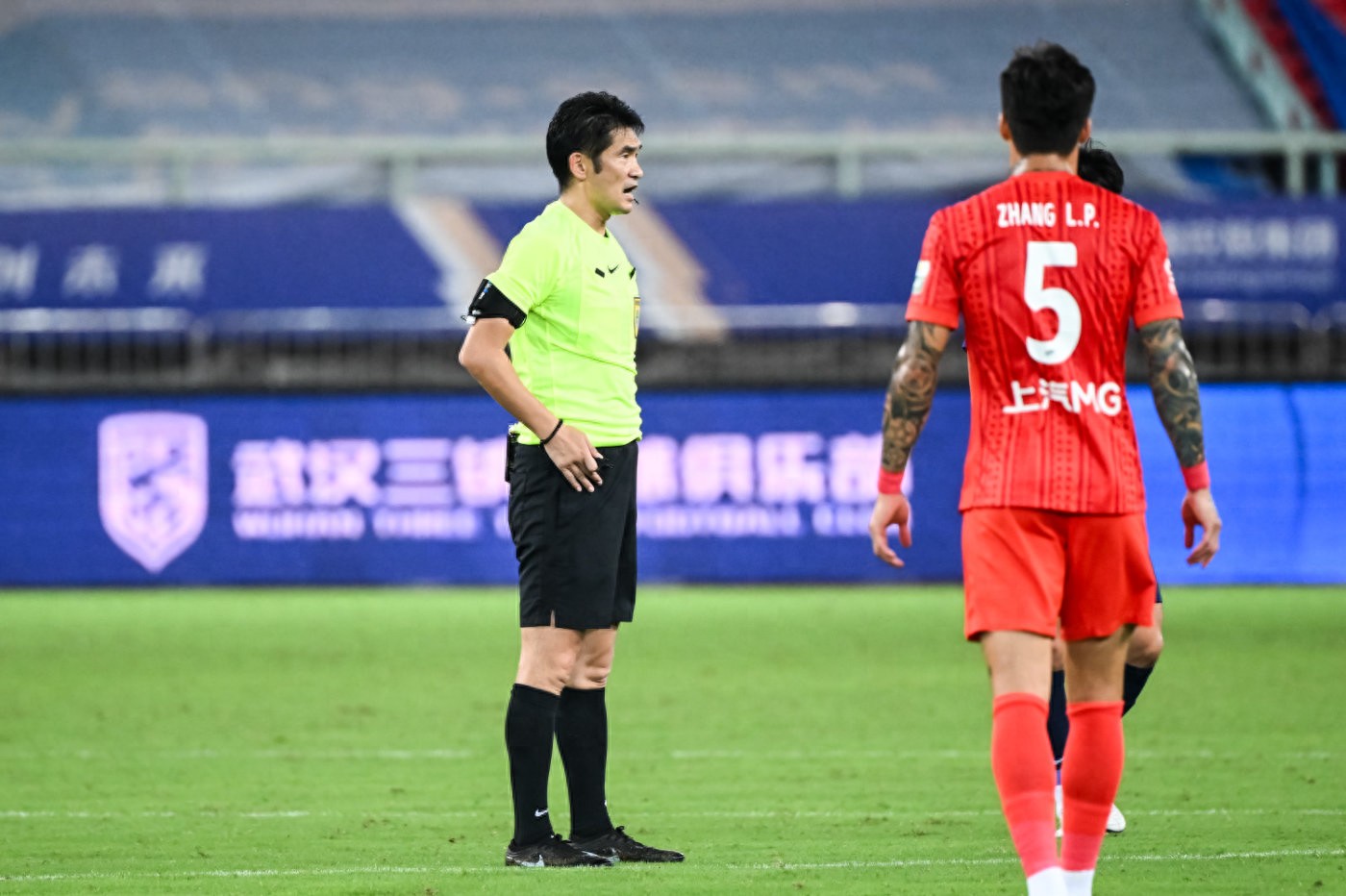
Cheng Yong reports. In the 23rd round of the Chinese Super League, the initial focus was on the three relegation-threatened teams, all of which lost; then on when Chengdu Rongcheng would break out of their slump, and they turned the game around. However, ultimately, the referees became the focus: from this round, the CSL began testing the referee VAR on-site broadcast system.
Referee system alignment.
The two VAR on-site broadcast system test matches in the 23rd round were Wuhan Three Towns vs. Shanghai Port and Zhejiang vs. Chengdu Rongcheng.
In the match between Three Towns and Port on the 14th, referee Ai Kun twice used the system to announce VAR decisions on-site, confirming two goals disallowed for offside: In the 62nd minute, Leonardo scored, but after VAR intervention, Ai Kun announced an offside foul, goal disallowed; in the 91st minute, Li Ang scored with a bicycle kick, but after VAR intervention, Ai Kun announced an offside foul, goal disallowed.
In the match between Zhejiang and Rongcheng on the 15th, in the 18th minute, Cardoso was fouled by Felipe in the penalty area. After on-field review, referee He Xin announced that Felipe had committed a foul, awarding a penalty kick. In the 25th minute, Felipe intercepted Zhao Bo in the box and assisted Wang Ziming to score. After on-field review, He Xin announced that Felipe had fouled during the interception, disallowing the goal. In the 45th minute, Wei Shihao took a corner kick from the left, and Felipe headed the ball into the net. After on-field review, He Xin announced that Wang Ziming was interfering from an offside position, disallowing the goal.
According to plan, the 18th round rescheduled matches between Shenhua and Guoan on the 18th and between Port and Yingbo on the 19th will continue to test the VAR on-site broadcast system. After the entire testing phase is completed, the CSL will fully implement on-site broadcasts.
VAR on-site broadcasting has been implemented in many national leagues, including the World Cup in the USA, Canada, and Mexico. Chinese fans have long called for the introduction of this system in Chinese professional leagues. Now, the CSL is piloting on-site broadcasts, which is a follow-up in terms of the system. On one hand, on-site broadcasts help improve the fan experience. Previously, some VAR decisions were unclear to fans, and in some matches, broadcasters even made subtitle errors, misleading fans. Now, with on-site broadcasts, fans will have a clearer understanding of decisions.
On the other hand, the hidden value of on-site broadcasts is that they help improve the accuracy of referees' decisions. Announcing immediately means no possibility of later correction, which requires referees to enhance the accuracy of their calls.
Referees have more training opportunities.
Currently, besides keeping up with FIFA's referee system changes, the Chinese professional football league's referee system has also introduced a public referee review system. The purpose of this system is to increase transparency in referee management through reviews, while also popularizing the rules of judgment.
However, controversies always exist. Besides occasional doubts from fans about the authority of the reviews themselves, some football practitioners believe that public reviews undermine the authority of referees too much. In response, many external voices argue that authority should come from referees' competence and accurate decisions.
One thing is undeniable: the continuous reform of the referee system and increased pressure have made referees refine their skills, leading to a significant improvement in decision accuracy. In contrast, in China League One and League Two matches without VAR, outrageous decision cases continue to occur. As a result, some clubs from these leagues are calling for the introduction of VAR in lower-tier professional leagues to improve decision accuracy.
While the referee system is constantly evolving, the level of referees still needs improvement. On one hand, referees' basic professional skills, including running, experience, and knowledge of the rules, need to be enhanced. On the other hand, their psychological resilience also needs to be improved. In the CSL, some referees, after watching the video replay, prepare to return to the field but then go back to the screen to look again. Others hesitate after watching, unable to make a clean decision, arousing widespread doubts among fans: "If you look back repeatedly and hesitate before making a decision, how accurate can it be? What authority does such a referee have?"
However, improvement in the level of Chinese referees can be expected. In the past, the low level of Chinese referees was related to the small number of domestic matches, especially high-quality matches with many fans. Previously, there were only about 200 matches per year in the CSL that were of higher quality and had more fans, while matches with low attendance provided little training for referees.
Now, with more and more matches, the demands on referees are higher, which naturally makes it easier to cultivate better referees. More importantly, with the rise of city leagues, there are now many matches with tens of thousands of fans. Roughly estimated, the number has surged to two to three thousand matches per year. Referees have many opportunities for training, and the challenges are also greater.
With a qualitative change in matches, a qualitative change in referees will not be far off. The reason is simple: high-level matches with many fans provide training value equivalent to three to five ordinary matches for players, and the same is true for referees.


Wonderfulshortvideo

mbappe news mbappe edit mbappe new shoe boot deal mbappe nike



julian alvarez barcelona news
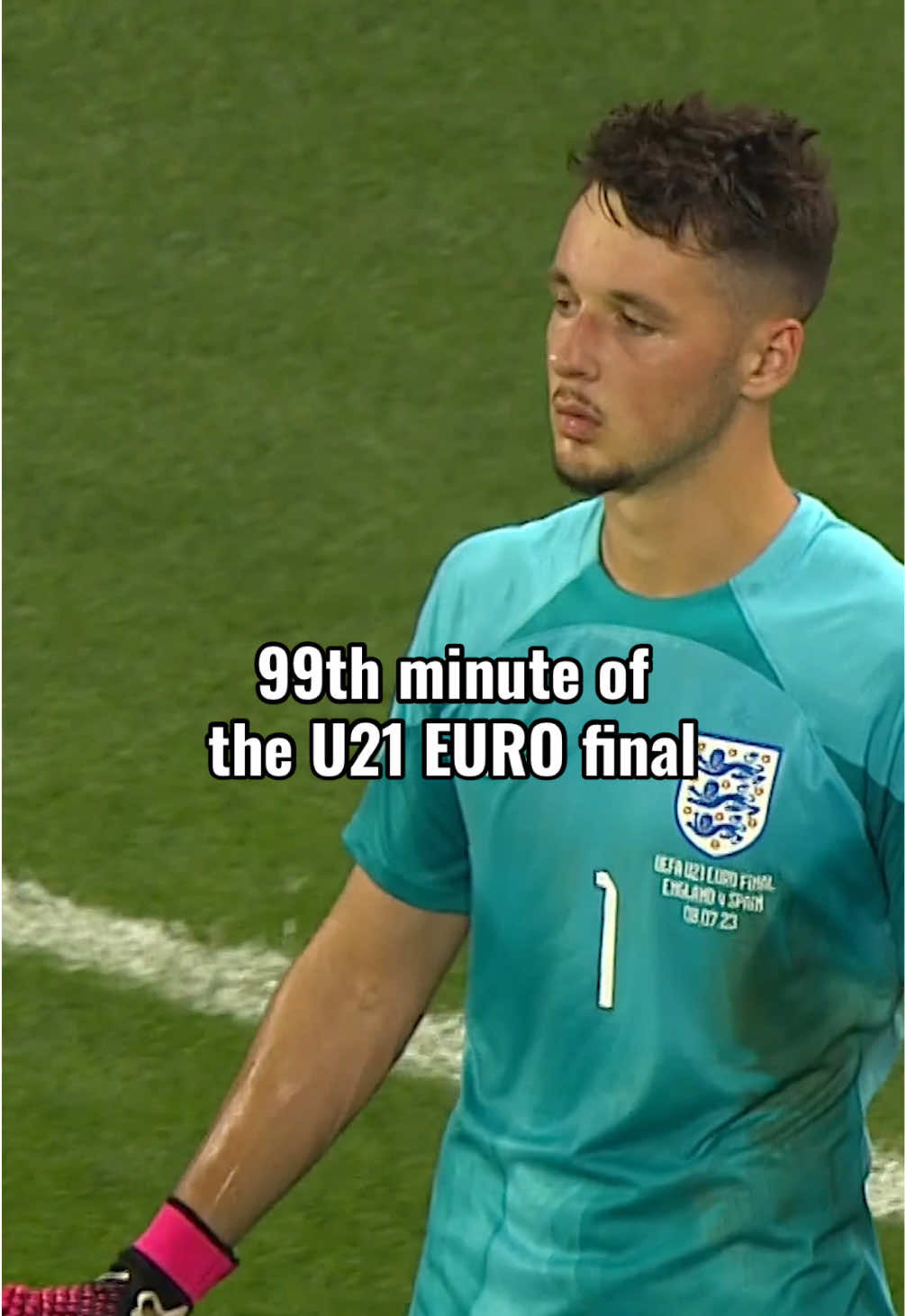
James Trafford’s big moment in the U21 EURO final 🤯

RODRI BARCELONA transfer barcelona news today rodri to barcelona transfer here we go
gianni infantino and trump drama news

jorge messi death messi news today football news today
jose mourinho netflix documentary pep guardiola mourinho beef mourinho edit
 Links
Links
 Contact