



Why do Premier League clubs play friendlies in such unusual formats?
15/08/2026 18:00:27 小叶看球
 0
0  0
0For nearly a century and a half, the typical length of a soccer game has been 90 minutes to determine the outcome. Yet this summer, numerous clubs appear to be thinking outside the box.
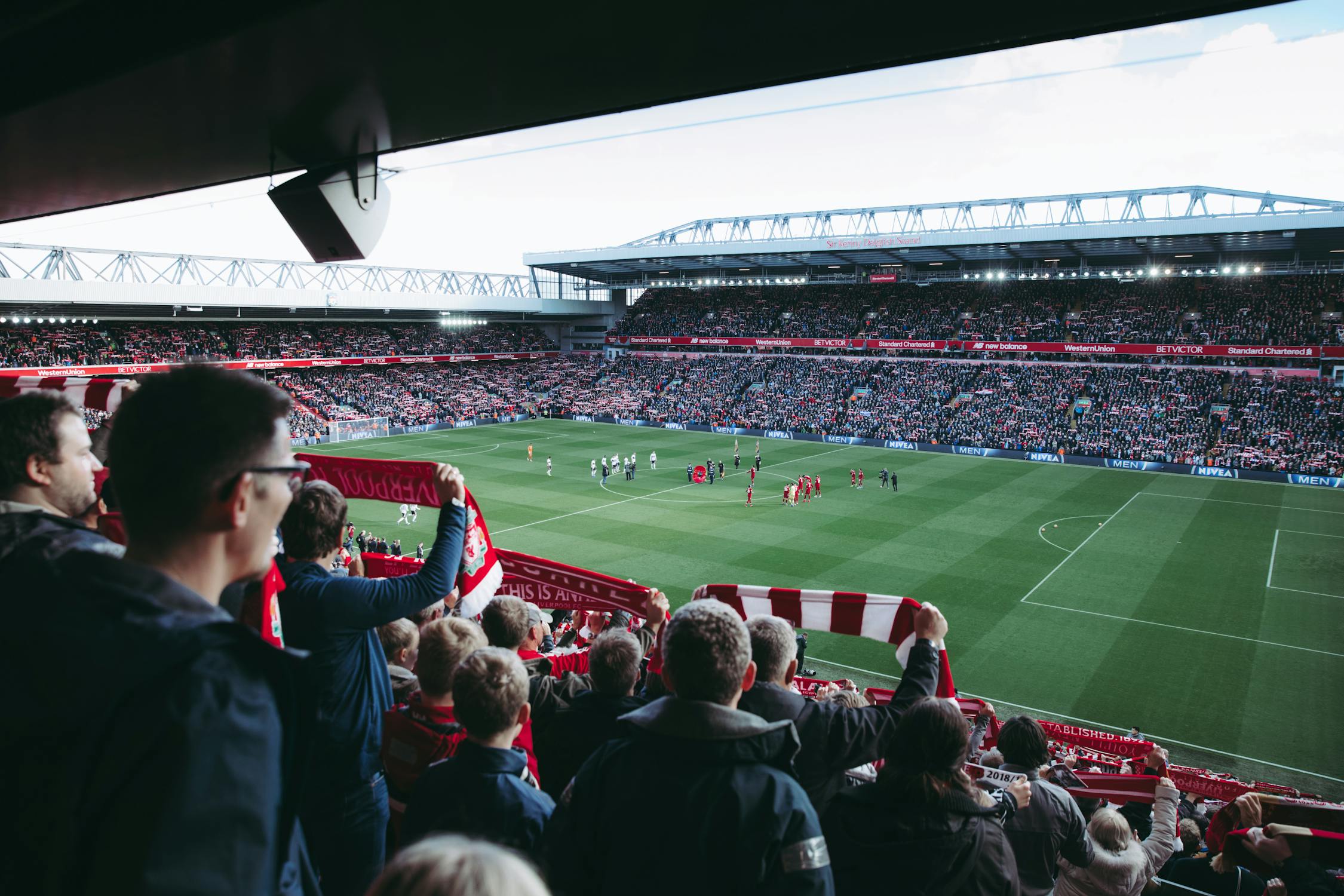
Tomorrow (Sunday), Liverpool will play a total of 180 minutes against Como, a Serie A side, across two matches. One game takes place at midday local time behind closed doors at Liverpool's training ground; the other kicks off at 6 PM at Anfield.
Earlier this month, Leeds United and RB Leipzig played a 120-minute friendly split into two 60-minute halves. Meanwhile, Nottingham Forest and Crystal Palace both took part in tournaments where each match lasted only 45 minutes.
This trend has even appeared in non-league football. A tournament featuring 45-minute matches called the A23 Cup was scheduled for July with Slough Town, Hayes & Yeading United, and Marlow Town. However, Marlow couldn't assemble a full squad, so the remaining two teams ended up playing 90-minute games.
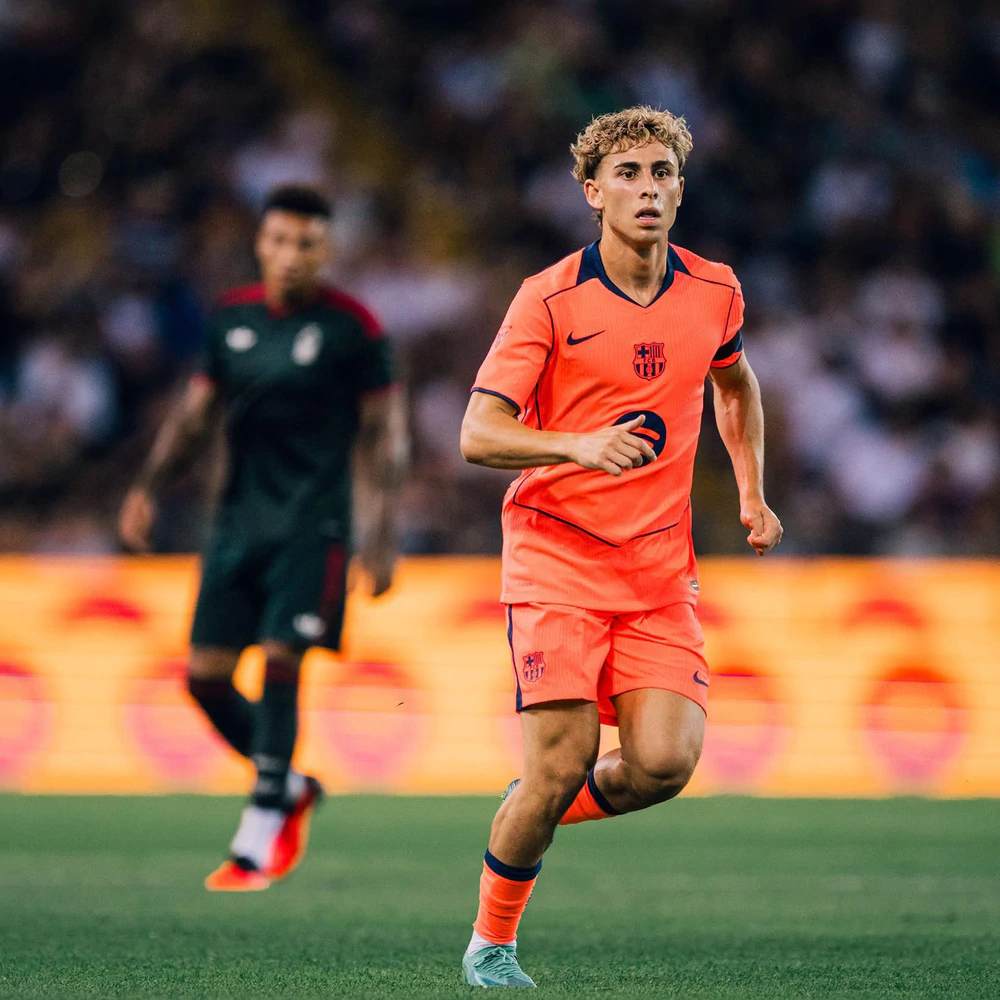
Barcelona played 45 minutes against Nottingham in a three-team tournament that took place on a single Saturday last week. The other team in the competition was Udinese. Photo: Barcelona
From the outside, these formats may seem unnecessarily complicated. With official 90-minute English football matches only days away from returning, it's easy to view these unusual formats as a gimmick.
So what is the real reason behind them?
Why is 90 minutes not always the best option during the preseason period?
Playing 90-minute matches in the early stages of the season can cause several issues.
Players typically return from their summer break with a certain fitness base, maintained through light, irregular individual training during the holiday, along with the inherent endurance of an athlete.
Fitness-building methods can vary between clubs, but the common goal is to start preseason with high-intensity, low-volume sessions, then gradually increase volume to improve stamina in the mid-preseason phase, before finding a balance between intensity and volume as the season approaches.
"Traditionally, achieving full fitness for the entire squad through a single 90-minute preseason match has always been a challenge," said Glen Driscoll, former performance analyst at Liverpool, Celtic, and Leicester City under manager Brendan Rodgers, speaking to The Athletic.
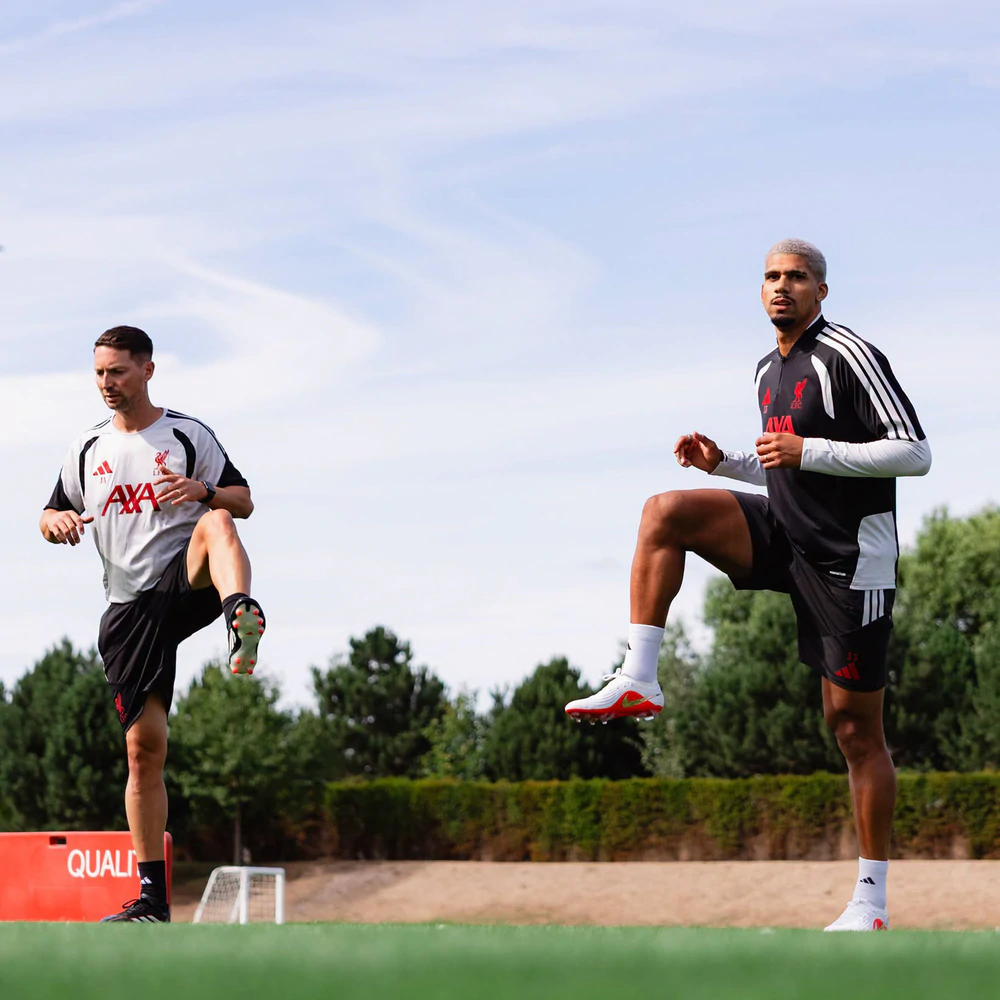
Liverpool are preparing to take part in the Como Cup. Photo: Liverpool FC
Coaches will naturally start to identify their preferred starting lineup and prioritize minutes for those players as preseason enters its final phase. But other squad members who don't get enough playing time will need to do extra physical exercises to make up for the missed workload.
"The closer you get to the season, the more you create a clear divide between the group of players being prepared to start and everyone else," Driscoll added. "Then you have to make them run extra after the match, but that's difficult because there are fans in the stadium or security issues. Or the team has to travel and there's a flight waiting."
Preseason is also a time for building team spirit. According to Driscoll, "you don't want half the squad to feel like they've already been labeled as non-starters."
Increasing the workload
During the season, clubs in the English Football League (EFL) and top European teams typically aim for players to cover a total of around 30 kilometers (nearly 19 miles) per week in matches, whether those are official first-team games or training matches.
To achieve that level of movement, they must build up the training load sensibly during the preseason period.
"In the first four weeks, we expect players to reach roughly that level, while some clubs might push it closer to 40 km," said Anton McElhone, Head of Medical and Performance at Huddersfield Town, a League One club.
"Very few friendlies are organized in the early stages because the training intensity is very high. But once matches start appearing, the total minutes played increase, meaning the sessions between games become lower intensity."
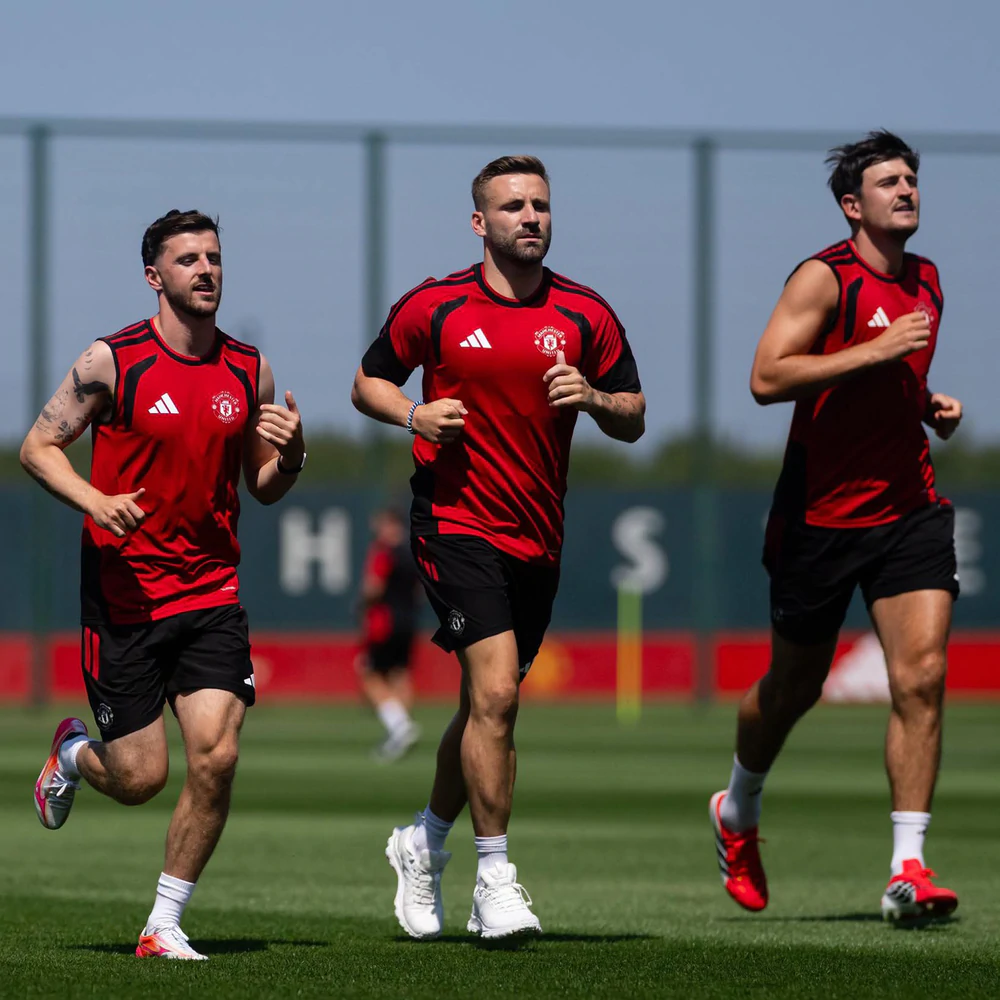
Sports scientists recommend that players' distance covered should be gradually increased during preseason. Photo: Manchester United FC
McElhone advises players to start with a target of 30-35 km in the first week, but without including internal or friendly matches. The distance target remains the same in the second week, but he suggests players should take part in 45 minutes of match simulation, equivalent to about 5-6 km.
In the third week, the target remains 30-35 km, but players will go through 60 minutes of match conditions.
By the fourth week, the distance target drops to 25-30 km, but the simulated match time increases to 75 minutes. From the fifth week onward, it rises to 90 minutes.
"Ultimately, it's all about the numbers," McElhone said.
A 45-minute match might only make a player run about 5-6 km, but the intensity of the game makes that distance completely different from what they cover in a training session.
As the season approaches, players need to prove they can reproduce that workload at increasingly higher intensities.
Benefits of different match formats
An average preseason lasts about six weeks, so there's a lot to accomplish in a short time. A standard 90-minute friendly doesn't always give all players the playing time they need.
"If you follow the textbook, you start with short halves and gradually increase — for example, 25-minute halves, then 35 minutes, and finally up to 45 minutes," said Alan McCall, a performance consultant who has worked in English and European football.
"But with the limited time and large squad sizes we have today, football doesn't have that luxury. So you have to find other ways to balance the increase in load and volume."
Two EFL clubs, Leicester and Bristol Rovers, found a creative solution in their mid-July friendly. They played a 120-minute match divided into four 30-minute quarters. Both teams made wholesale changes at halftime, giving each "starting lineup" 60 minutes of play. This approach distributed the workload relatively evenly across the entire squad.
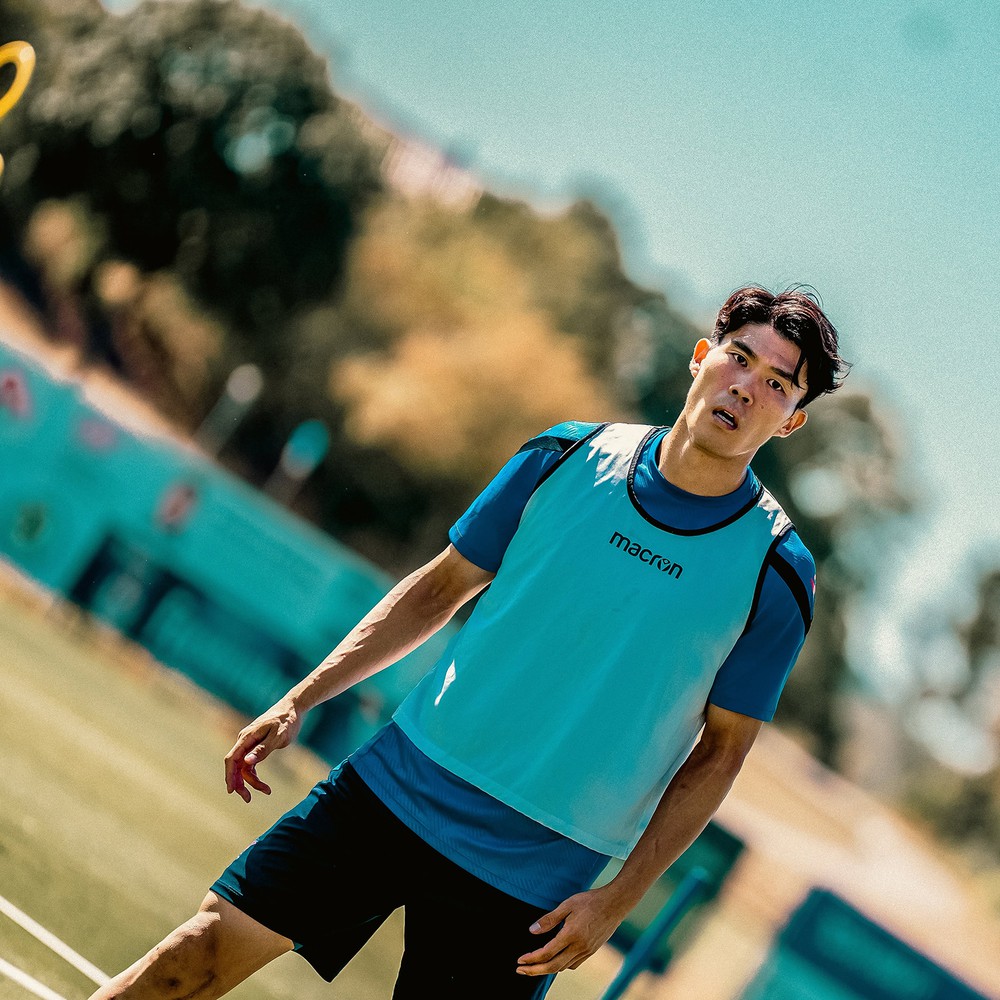
Crystal Palace preparing for the Como Cup. Photo: Crystal Palace FC
According to the sports scientists consulted by The Athletic, triangular tournaments with each match lasting only 45 minutes offer the lowest physical benefit.
The Como Cup, held in the Italian city of Como over five days from July 28 with six teams including Crystal Palace, and the Friuli Venezia Giulia Cup, featuring hosts Udinese, Barcelona, and Nottingham Forest, which took place over three hours last Saturday evening, were both organized in the mid-to-late phase of the clubs' preseason preparations.
This is the time when players are expected to have already played more than 60 minutes in match simulation situations throughout the week. Both Premier League clubs used completely different lineups for the two consecutive 45-minute matches they played.
"The match probably only accounts for a small part of the total weekly workload," Driscoll said. "I would schedule a football-specific fitness session on either side of the match. The fact that the game is split into two separate matches might also make players subconsciously put in more effort during the game."
As the season approaches, teams shift from building a fitness foundation to trying to replicate the demands of competitive football, while also giving experience to as many players as possible.
However, the goal is not to have every player at peak fitness on the opening day of the season. In fact, it's very rare for outfield players to complete the full 90 minutes in a typical friendly.
"It probably takes the first three to four matches of the season for players to reach the fitness level we target during preseason," McElhone said, "because nothing can fully replicate the pressure that appears as soon as the first ball of the official season is kicked."
Having a fully fit squad from day one of the season is also not the most important objective of preseason, especially with the increasing fixture density, larger squad sizes, the return of players who have been at international tournaments, and new signings just arriving.
"The introduction of five substitutes in a match, which became a permanent rule in the Premier League from the 2022-23 season, changed everything," Driscoll said. "Previously, you needed 11 players ready to play 90 minutes. Now, creating 16 to 20 players fit enough to play 60 minutes seems more useful."
These different friendly formats are nothing new. All three experts consulted by The Athletic said that matches not lasting 90 minutes, whether played publicly or behind closed doors, have been a regular part of preseason for about 20 years.
The head coach or manager of each team usually has the final say on how to organize friendlies, while the performance department provides advice on individual player usage and recovery time.
"We don't try to dictate how many games to play or who should play at what time," McElhone said. "Typically, we work with the coaching staff, adapt to their plans, provide guidance on minutes played, build sessions based on workload, and monitor continuously."
Changing the duration of friendlies is not the ideal or most recommended method for preseason preparation, because these types of matches have been happening behind closed doors for weeks anyway.
As McCall noted: "There is no exact formula for preparing players physically." Or in McElhone's words: "There are a million ways to do one thing."
"The most important thing," McElhone added, "is that no matter what happens during preseason, it all becomes irrelevant once the first match of the season begins."


Wonderfulshortvideo

mbappe news mbappe edit mbappe new shoe boot deal mbappe nike



julian alvarez barcelona news
James Trafford’s big moment in the U21 EURO final 🤯

RODRI BARCELONA transfer barcelona news today rodri to barcelona transfer here we go
gianni infantino and trump drama news

jorge messi death messi news today football news today

jose mourinho netflix documentary pep guardiola mourinho beef mourinho edit
 Links
Links
 Contact