



West Coast vs. Tongliang Dragon: A clash between two post-80s local young coaches from private enterprises
14/08/2026 13:35:18 无名者
 0
0  0
0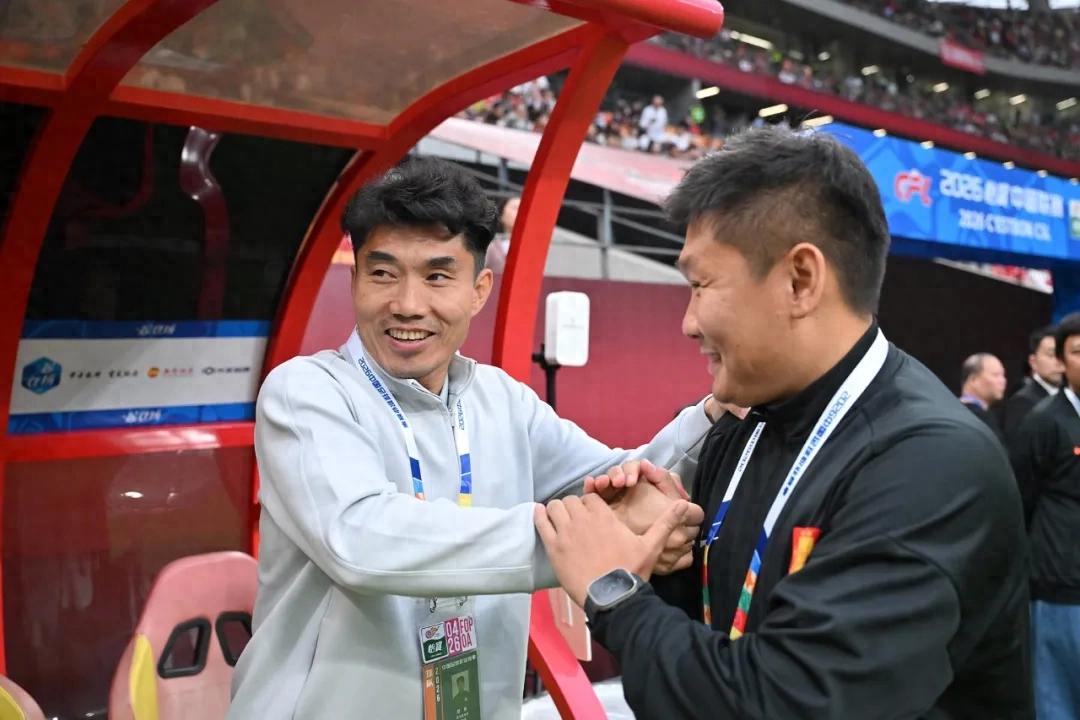
Reporter Lu Mi reports. This weekend, the 23rd round of the Chinese Super League is about to start. Chengdu Rongcheng's lead is significant, and the championship seems to have no suspense. Currently, only two issues remain undecided: who will take the second place, who will get the Asian competition spots, and the fate of the teams fighting against relegation.
This season, besides Dalian Yingbo led by 48-year-old mid-generation local coach Li Guoxu, two other teams have put pressure on Chengdu Rongcheng: Qingdao West Coast and Chongqing Tongliang Dragon, coached by 46-year-old Zheng Zhi and 39-year-old Liu Jianye respectively. They are the highly-watched local post-80s coaches in the Chinese Super League this season.
Both are representatives of the new generation of domestic coaches. With different cards in hand, they have taken distinct coaching paths. Qingdao West Coast has been in strong form recently, currently ranking second on the table; while Chongqing Tongliang Dragon, despite recent poor form, has long occupied second place in the Super League this season. Considering that both young coaches lead clubs invested by private enterprises, which are representatives of rational investment, their performance has been impressive enough to turn heads.
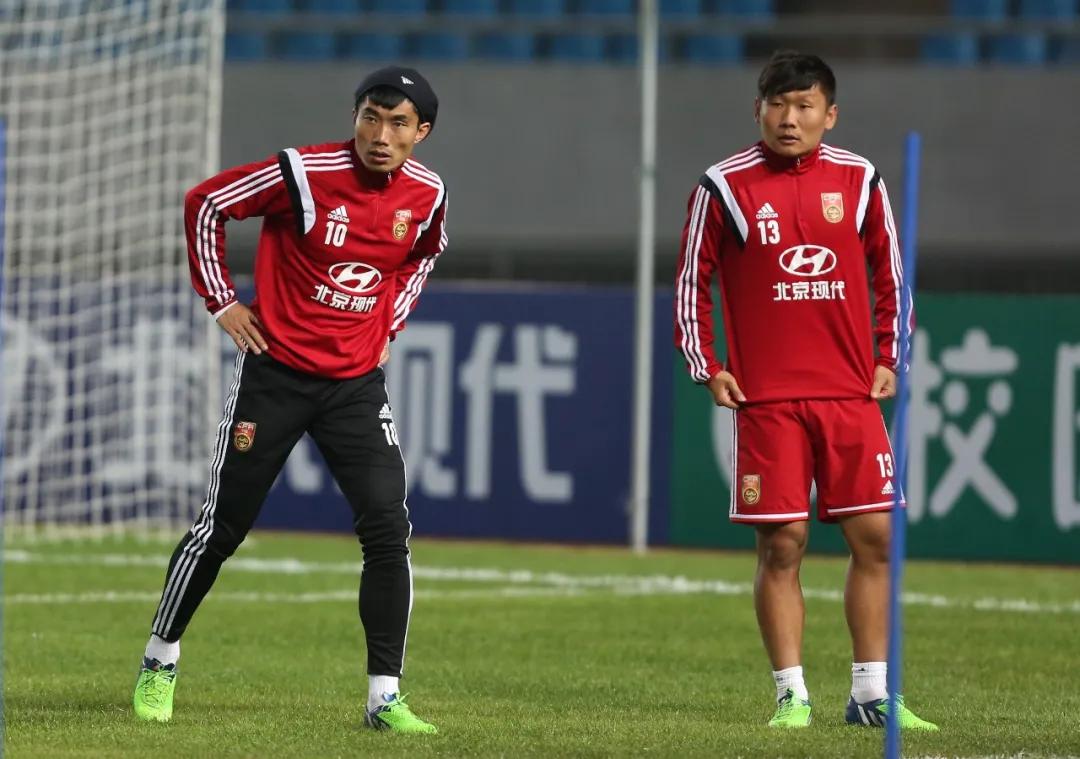

Qingdao West Coast and Chongqing Tongliang Dragon are both small and medium-sized clubs invested by private enterprises, adhering to rational investment and a cost-effective team-building philosophy.
From the current situation, Qingdao West Coast's total season investment is about 120-150 million yuan. According to data from a professional evaluation agency, the team's total estimated value is about 6.7 million euros, ranking in the lower tier of the Chinese Super League, 13th in the league. Before the season, Qingdao West Coast also suffered the loss of key players — midfielder Xu Bin transferred to Wolves in the Championship, and full-back Yang Xi transferred to Shanghai Port. Therefore, they were widely considered a relegation team at the time.
Chongqing Tongliang Dragon is a promoted team that has completed a four-level leap in four years. The overall season budget is not large, similar to Qingdao West Coast, with a total team value of about 8.6 million euros. The club strictly sets a maximum salary for local players, has no high-paid veterans, insists on lightweight operations, and prepares for the Super League with the original China League One squad as the framework. Although Tongliang Dragon's overall book value is slightly higher than West Coast, they have many young players, and their game experience is slightly inferior, especially the "bench depth" is not advantageous.
In terms of foreign player configuration, both teams follow a cost-effective practical route, but the positional distribution, technical characteristics, and value structure of the foreign players are different.
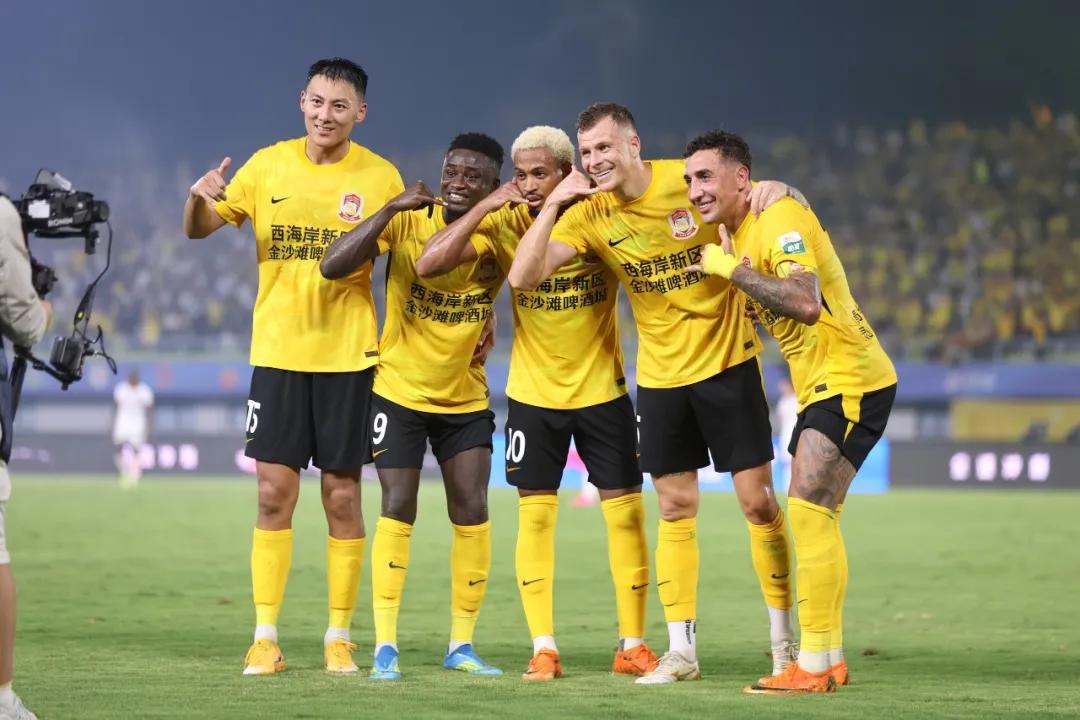
Qingdao West Coast's total foreign player value is close to 4.9 million euros. The foreign player focus is on the front-court trident of Nelson Luiz, Davidson, and Aziz. The most expensive, Ghanaian forward Aziz, is valued at 1.5-1.8 million euros, with abilities as a target man, penalty area poacher, and playmaker, with 4 goals and 6 assists this season. The 35-year-old veteran Davidson, valued at 200,000 euros, plays a key connecting role in the front court, contributing key passes in many games, acting as the team's tactical lubricant. Nelson Luiz is responsible for attacking and scoring, with 8 goals and 4 assists this season, being the team's top scorer.
Memišević guards the defense, responsible for interceptions and clearances, and also participates in set-piece attacks. Another foreign player, Bruno, joined the team mid-season and has just obtained playing eligibility. Overall, West Coast's foreign players are not superstars, but their roles are clear, with foreign players covering the forward line, midfield, and defense, providing a foundation for both attack and defense.
Chongqing Tongliang Dragon's total foreign player value is lower than West Coast's. Their signings are mainly through loans and free transfers, with very low loan fees. Foreign player resources are heavily tilted towards the defensive end, and the front-line foreign player reserves are relatively weak. Forward foreign player Di Mata has 7 goals this season, making him the team's top scorer, good at counter-attacking sprints; midfielder Kempanu has 5 goals and 5 assists, responsible for set-piece taking and midfield transition tasks.
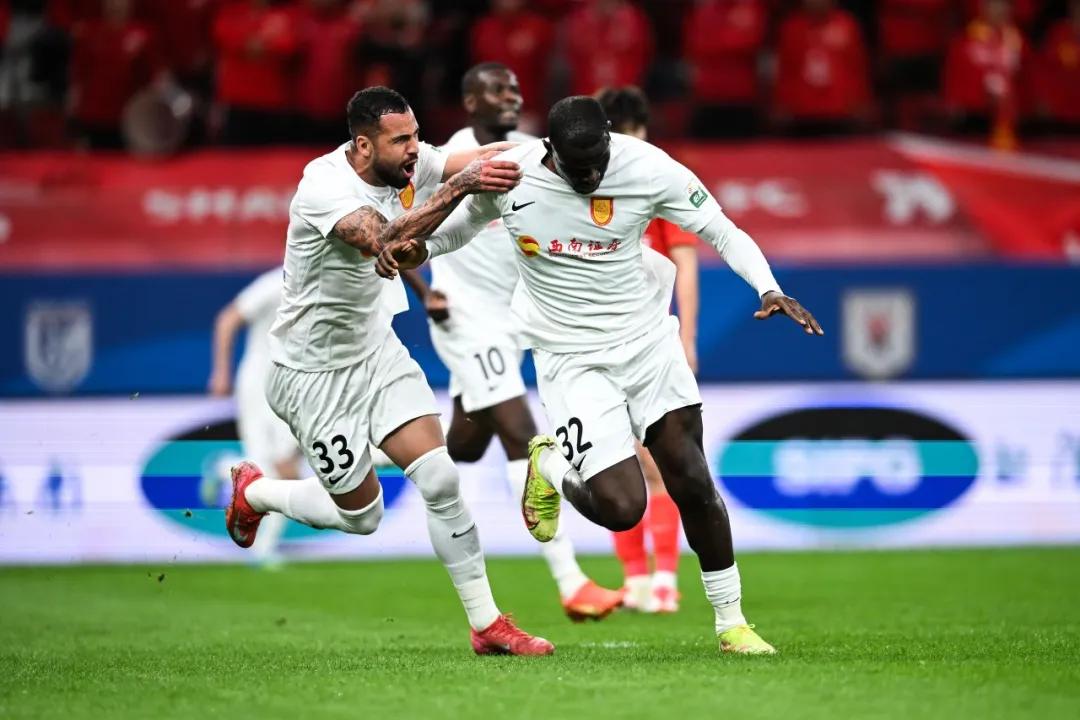
Tongliang Dragon has three foreign players sharing defensive tasks. Amadou is a midfield barrier responsible for interceptions, while Ngadeu and Lukang are both main defenders. This defense-oriented foreign player configuration makes the team one of the least conceded in the Chinese Super League. However, the shortage of front-line foreign players limits the team's attacking patterns. Once the two front-line foreign players have fluctuations in form, the attack immediately falls into trouble. This is the reason why Tongliang Dragon currently ranks last in goal scoring in the Super League.
In terms of domestic player configuration, Qingdao West Coast's approach is to pair veterans with promising young players, combining experience with vitality. Players like Zhang Chengdong, Peng Xinli, and Zhang Xiuwei, who have Super League and national team experience, provide ample experience in the domestic midfield and defense. At the same time, the team has a group of young rotational players, making the age structure more reasonable. Goalkeeper Li Hao is a mainstay for the U23 national team, often making heroic saves to keep the goal secure. West Coast did not pursue a large-scale youth army; instead, they chose domestic players with Super League practical experience as the mainstay, ensuring game reading ability and pressure resistance.
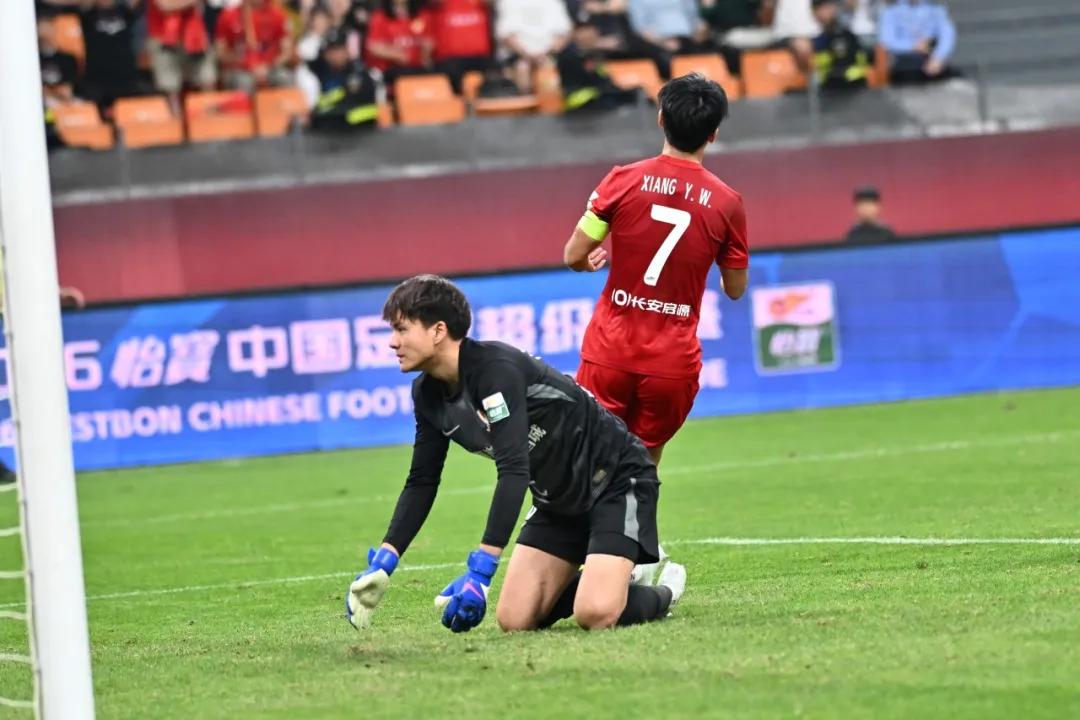
Chongqing Tongliang Dragon, on the other hand, has a lineup completely based on local youth. A large number of U21 and U23 players are either starters or main rotational players. Players like Xiang Yuwang and Li Zhenquan have followed the team through the four-level promotion. Domestic signings are mainly young players on free transfers or loans, with only a few veterans added. The average age of the local squad is only 23.6 years, making it one of the youngest teams in the Super League.
Captain Xiang Yuwang was the local golden boot during the team's China League One period, and has scored 2 goals so far this season. The 19-year-old goalkeeper Yao Haoyang has secured the starting goalkeeper position, making 50 successful saves this season, becoming the most critical barrier in the team's defense. A large number of young players like Du Yuezheng, Zhang Zhixiong, and Yue Ruijie have received stable playing opportunities. The team's local players are young, with stamina and fighting spirit as advantages, but they generally lack experience in tough matches at the top Super League level. Facing high-intensity league competition, they inevitably have ups and downs, and there is still much room for growth.
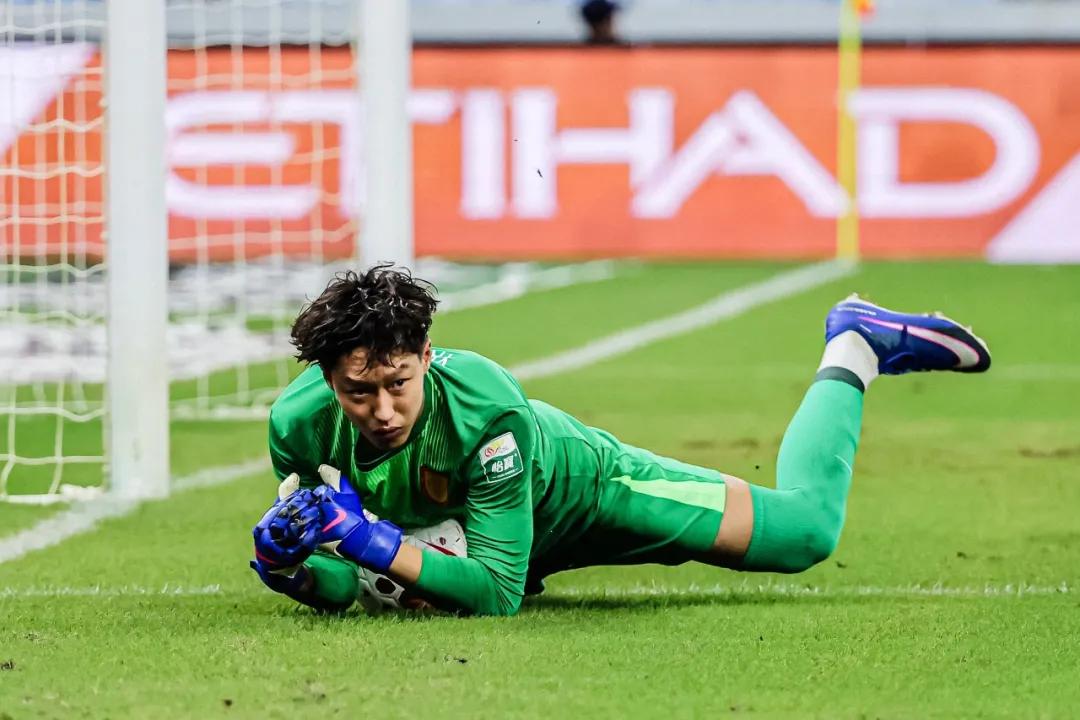

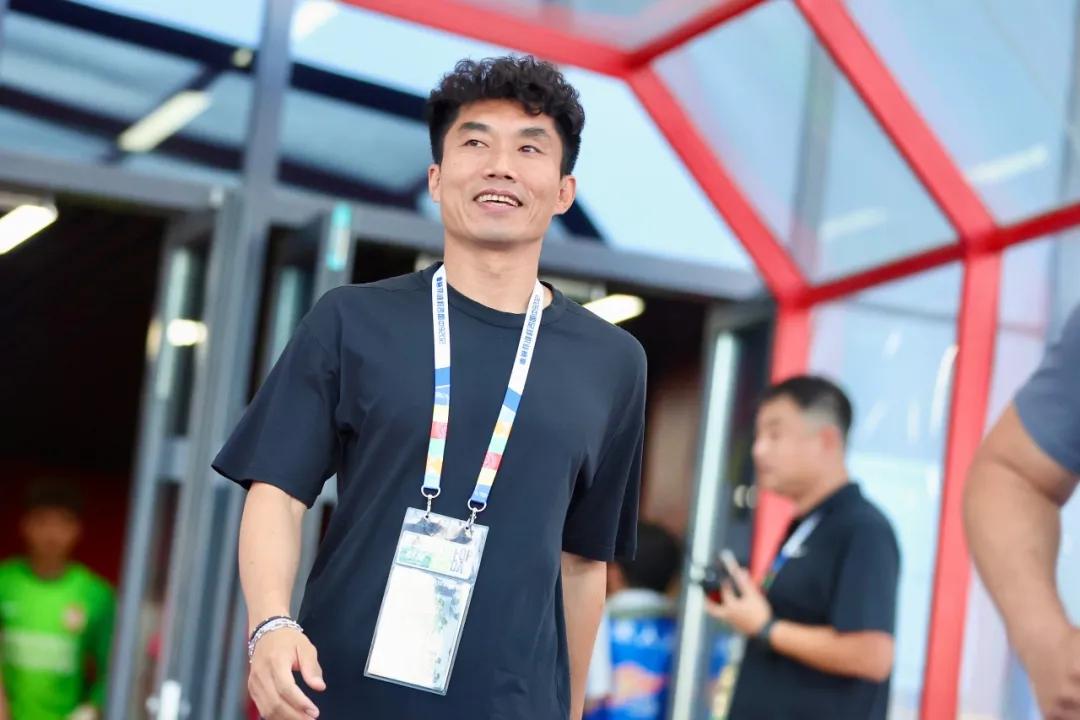
Zheng Zhi and Liu Jianye are both representatives of the young generation of domestic coaches in the Super League. Both took over teams with ordinary squads or even mid-to-lower strength, yet they have successively reached the second place in the league. Their coaching experiences and styles show a sharp contrast. Zheng Zhi experienced a difficult start and a six-match suspension, but the team remained stable, maintaining an unbeaten run for many rounds and continuously challenging for better positions. Liu Jianye led the inexperienced promoted team to stay firmly in second place for a long time, though recently there have been some fluctuations.
At the beginning of this season, Zheng Zhi took over from Shao Jiayi. His first challenge was that the original squad had been dismantled. The departures of Xu Bin and Yang Xi left the team somewhat weak in certain positions. In the early matches, West Coast only achieved one win in 11 rounds, with seven draws during that period. At that time, public opinion generally believed that Zheng Zhi lacked coaching experience and that Qingdao West Coast would fall into the relegation quagmire.
After quickly recognizing the squad's limitations, Zheng Zhi made a key tactical change, abandoning the unrealistic possession-based approach and adopting a more direct style of play. In daily training, he also placed more emphasis on the safety of backline passing, prioritizing stability. After a period of time, the team's defensive statistics improved rapidly. After April, there was only one match where they lost by a margin of three goals, and the team began to get on track.
In the 9th round of the league against Shandong Taishan, Zheng Zhi was given a six-match suspension for unsportsmanlike behavior due to dissatisfaction with the referee's decision. Although he could not be on the sidelines for live coaching, Zheng Zhi fully led the training, tactical deployment, and personnel adjustments. Assistant coach Huang Bowen was responsible for on-site execution of related tactics. The team maintained a 13-match unbeaten streak in the league, climbing up the rankings. After the suspension ended, Zheng Zhi officially returned, and Qingdao West Coast still maintained their fighting strength. Recently, they defeated Liaoning Tieren and Qingdao Hainiu respectively, and drew with Henan, rising to second place in the standings.
So far this season, Qingdao West Coast can be described as starting low and rising high. They have experienced heavy defeats and the crisis of the head coach's suspension, but the tactical system has been relatively stable. Even when Zheng Zhi could not be on-site, the entire style of play could still be executed. Zheng Zhi's coaching characteristic is that he can quickly adjust his tactical thinking according to the situation, and he is also good at integrating veterans and foreign players to maximize the value of the players. Of course, the team has not shown enough vitality on the offensive end. They have not conceded many goals, but they have not scored many either. The large number of draws also indicates certain limitations in the team's playing style.
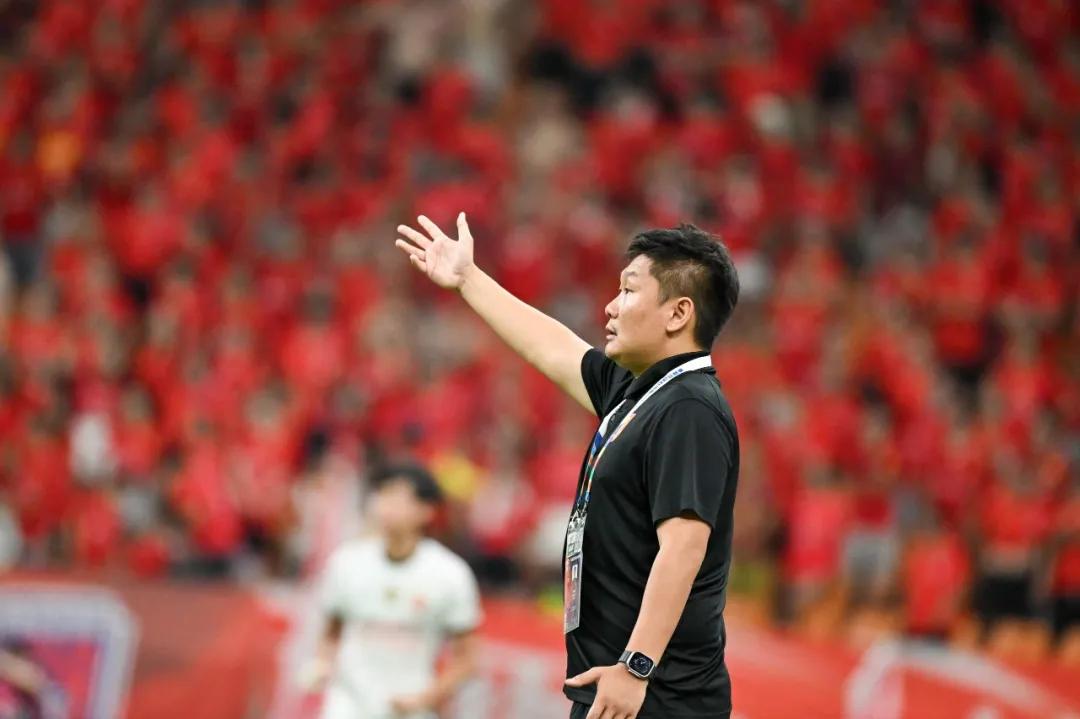
This season, Liu Jianye led Chongqing Tongliang Dragon in the Super League. At the beginning of his coaching, he was even less favored by the outside world than Zheng Zhi. Compared with Zhang Wailong, who led the team to promotion, he only had brief coaching experience in China League One, which indeed made people somewhat lack confidence. A young coach paired with a promoted team is often a configuration for the relegation zone, but Liu Jianye led Chongqing Tongliang Dragon to deliver an impressive half-season performance.
After fully understanding the team, Liu Jianye based on the team's youth and abundant stamina, mainly adopted a defensive counter-attacking tactic with five defenders and two foreign center-backs. In most games, he voluntarily gave up possession, relying on full-team retreat to build a solid defense, seizing the space left by opponents after pushing forward to launch quick counter-attacks. Additionally, he took advantage of the opponents' declining stamina, playing more actively and accelerating the tempo in the second half.
At the same time, Liu Jianye carefully studied the opponents' personnel and technical-tactical characteristics for each match, preparing thoroughly from playing style to game rhythm and on-the-spot adjustments. In his words, by specifically restricting the opponent, he could elevate the team's paper strength from 50 points to 70 points. For example, in the two Southwest Derby matches against Chengdu Rongcheng, the paper strength gap was huge, but he managed to secure two draws from the opponent. In both derbies, after substitutions in the second half, Tongliang Dragon's rhythm changed, leading to score changes. In the first half of the season, the team had 6 wins, 6 draws, and 3 losses, staying firmly in second place for a long time, creating the best half-season result for Chongqing professional football in the top league. Chongqing Tongliang Dragon transformed from a promoted team into the biggest dark horse.
However, recently, as the players have been playing for a long time, Chongqing Tongliang Dragon's overall form has also fluctuated. Throughout July, they found it difficult to win a single league match, with only 2 draws and 2 losses. The reason is simple: on one hand, the team's squad depth is insufficient. Once key players, especially foreign players, suffer injuries or fatigue, the defensive counter-attacking system carefully built by Liu Jianye is broken. On the other hand, as the team played against all Super League opponents in the first half, while Liu Jianye studied the opponents, he was also being studied. Many teams have made targeted arrangements to limit Tongliang Dragon's counter-attacking routes.
Under the condition of limited personnel configuration, bringing the promoted team to its current position has already proven the effectiveness of Liu Jianye's pragmatic tactics. His on-the-spot adjustments and adaptability are also commendable. How to get out of the recent poor performance dilemma tests Liu Jianye, and also gives the Tongliang Dragon club new food for thought regarding next year's recruitment and operational strategy.

Both Zheng Zhi and Liu Jianye have been bold in their player selection, using a large number of U21 and U23 players in the team this season. However, their methods of using young players differ. Liu Jianye's Chongqing Tongliang Dragon directly pushes young players into starting positions, using the youth army as the team's foundation. Under Zheng Zhi, Qingdao West Coast relies on some veterans to provide a safety net, leading young players gradually and allowing them to find playing opportunities through competition. Both models have their own characteristics.
Under Liu Jianye, Chongqing Tongliang Dragon is one of the teams with the highest proportion of U21 players in the Super League this season. The starting lineup often features four or five U21 players at the same time. The overall team-building foundation is youth-oriented and localized. The coach relies on the young players to earn points while also helping them grow.
The 19-year-old goalkeeper Yao Haoyang has secured the starting goalkeeper position this season, playing in all Super League matches. He has made many crucial saves in key games. Facing the impact of various foreign players in the Super League, Yao Haoyang has shown psychological quality far beyond his age, becoming one of the most stable and surprising goalkeepers of the season. The 21-year-old Du Yuezheng, as a stable rotational forward, has come off the bench many times, contributing 2 goals and showing his strong impact in games. The 19-year-old Zhang Zhixiong has made 20 appearances, recording 1 goal and 3 assists, securing a stable spot as a U21 player. Many U23 players like Zhang Yingkai, Yue Ruijie, and Wu Yuxi have also received stable league playing time.
Tongliang Dragon directly pushes new players into starting positions, and a large number of young players directly undergo high-intensity training in the Super League, quickly improving their skills. This is a gain. The risk is that the competition in the Super League is fierce, and young players have large psychological fluctuations. Insufficient game reading ability can lead to increased errors in matches, affecting the players' mentality. Xiang Yuwang, as the team's core and former China League One golden boot, has seen a significant drop in goal efficiency in the Super League. This is the kind of problem young players encounter. Liu Jianye constantly adjusts his position on the field, trying him as a shadow striker, defensive midfielder, winger, and other roles to help him adapt to the changes in the Super League. In daily training, he also encourages him more, hoping he can "regain his goal-scoring touch" in time.
Zheng Zhi's Qingdao West Coast also has a lot of young players in reserve, but the method is to use veterans to lead the newcomers, allowing young players to grow gradually and integrate into the league step by step. Zheng Zhi places experienced local players like Peng Xinli and Zhang Xiuwei in starting positions, while young players mostly start from the bench or partial rotations, accumulating experience in cup matches and relatively easier league games.
Goalkeeper Li Hao is a representative of West Coast's young players. The goalkeeper position is special; once a starter is chosen, they are rarely replaced during the game. He is the young player with the most playing time in West Coast, making key saves in many matches and keeping the goal intact or conceding few goals in several tough games. The 17-year-old Wang Gengrui has made 17 appearances this season, averaging 85 minutes per game. The 19-year-old Yang Zhanpeng has made 17 league appearances, scoring 2 goals. The 18-year-old Elinizar and 19-year-old Xie Chuyun are both key training targets of West Coast. In the future, they will get more and more playing opportunities.
Zheng Zhi's logic in player selection is simple: prioritize league results. Young players must perform better in training and matches to earn playing opportunities. Under the guidance of experienced and mature players, young players can gradually adapt to the Super League in a relatively low-pressure environment.
Tonight, the two teams will have their third encounter of the season. In the previous two meetings, the first league match ended in a 1-1 draw, while in the FA Cup, Tongliang Dragon eliminated West Coast. West Coast, having not yet won against the promoted team, naturally hopes to extend their four-match unbeaten run, while Chongqing Tongliang Dragon also looks forward to reversing their decline. Zheng Zhi and Liu Jianye, former national team teammates and club opponents, will face off for the third time on the Super League coaching bench. Who will have the last laugh?


Wonderfulshortvideo

mbappe news mbappe edit mbappe new shoe boot deal mbappe nike



julian alvarez barcelona news
James Trafford’s big moment in the U21 EURO final 🤯
RODRI BARCELONA transfer barcelona news today rodri to barcelona transfer here we go
gianni infantino and trump drama news

jorge messi death messi news today football news today
jose mourinho netflix documentary pep guardiola mourinho beef mourinho edit
 Links
Links
 Contact