



Centennial School Cup | Herder children who practice shooting in front of a dung ball goal complete their "redemption" with a world-class goal on the field.
13/08/2026 15:01:12 小球迷
 0
0  0
0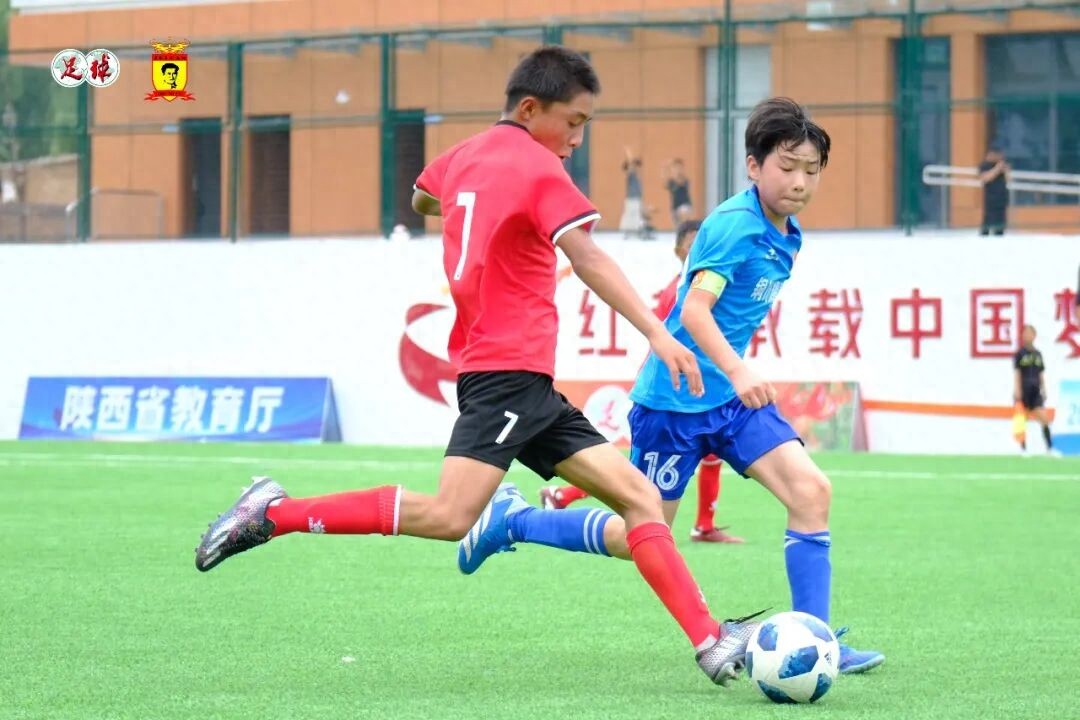
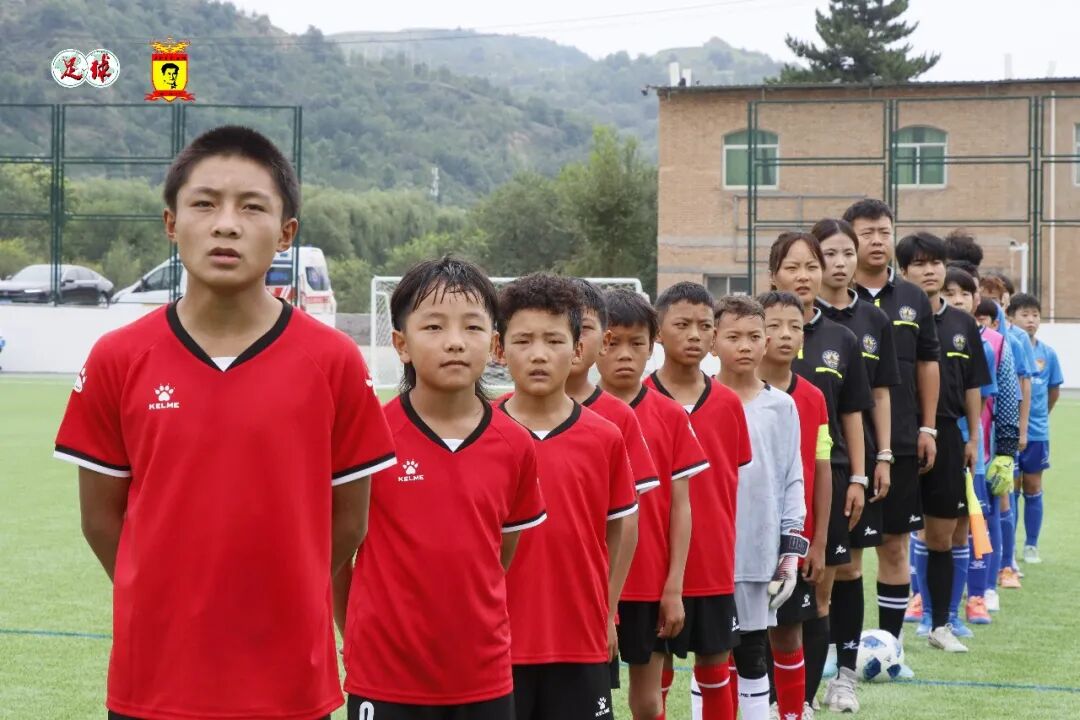
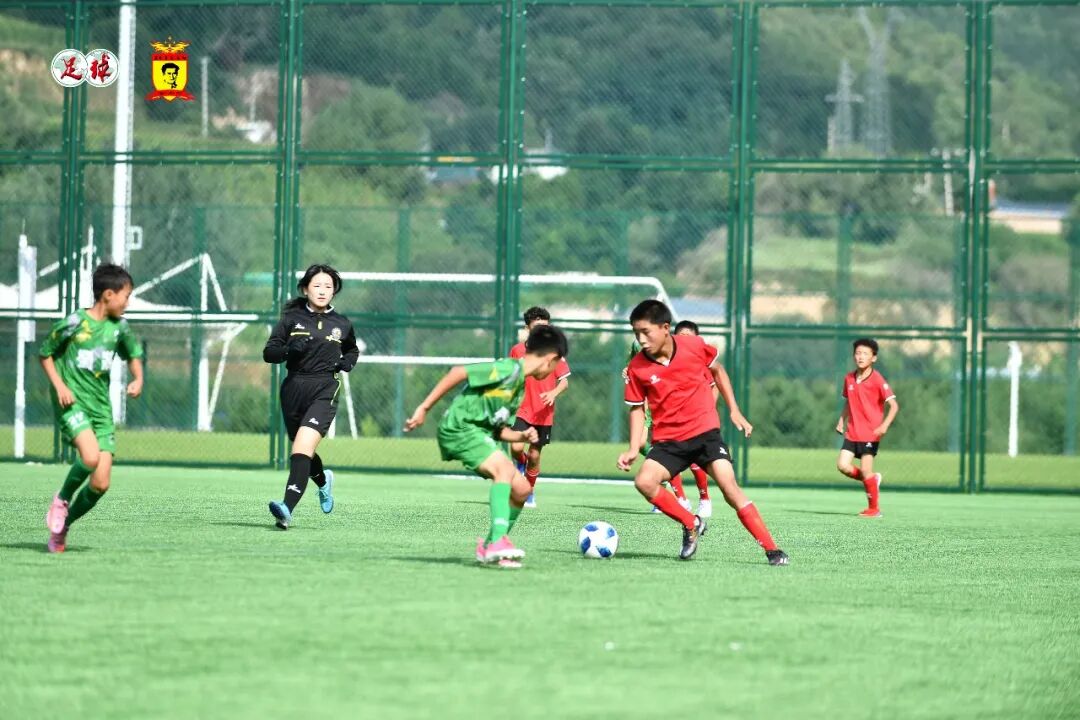
Reporter Lu Mi reports from Zhidan. In Group A of the primary school division of the "Centennial School Football Elite Exchange Tournament", there is a special team called Qumarlai Kris. The children of this team are all from Tibetan areas, and most of their parents are herders. Football has become a way for these children to step out of the grasslands. In their first match against Tongchuan Primary School, Qumarlai Kris won 7-1. The game could have had an even larger score difference, but the limelight was stolen from star striker Zaba Jiangcai by Xiran Jiangcuo, who scored a hat-trick. After missing a fifth unmarked shot, the coach said, "Wait for the next game to redeem yourself." The next day, a revitalized Zaba finally completed his "redemption" by scoring a free kick that curled into the top corner against the strongest group opponent, Chengdu Yingbin Road Primary School.
It took Qumarlai Kris two days just to travel to Zhidan for this tournament. Three coaches led a group of children who speak Tibetan, facing unknown opponents without knowing what results they would achieve. But that was not the most important thing; they wanted the children to use football as a way to leave the grasslands and see the outside world.
In the first match against Tongchuan Primary School, Qumarlai Kris surprised us greatly. Despite their seemingly small stature, they had astonishing physical strength and excellent footwork. Midfielder Xiran Jiangcuo, who scored three goals, was called "Messi" and effortlessly performed tricks like step-overs and the "fried dough twist" dribble.
But in this match, another player received special attention from the two coaches: forward Zaba Jiangcai. In the first half alone, he created at least three clear scoring chances, all of which he carved out by overpowering defenders with his body and speed. Just when everyone thought he would score, Zaba suddenly "lost power" and kicked the ball straight into the goalkeeper's arms. The coaches Jiang Jianwei and Kang Ning shouted "Zaba!" countless times, but he only waved apologetically to the bench.
At halftime, Zaba came to the bench with his head down. The reporter joked with him, "If you score in the second half, I'll write a report titled 'Zaba's Redemption'." He shyly lowered his head, lost in thought.
In the second half, Zaba's performance was similar to the first half. After wasting his fifth chance, he was substituted. The player who replaced him helped the team extend the lead within a few minutes. His teammates teased him, "There goes your 'redemption'!"
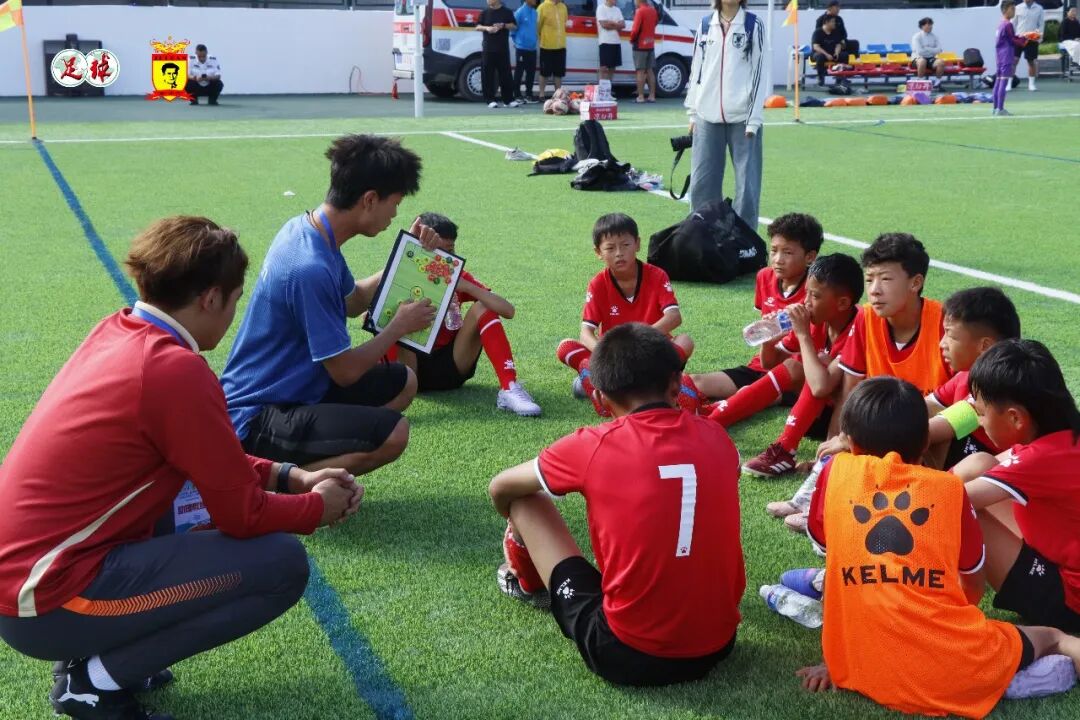
Although he missed many chances, the coaches Kang Ning and Jiang Jianwei still had confidence in him. They said that Zaba's playing style is like a "Tibetan mastiff"—when calm, you never know how much power he might suddenly unleash.
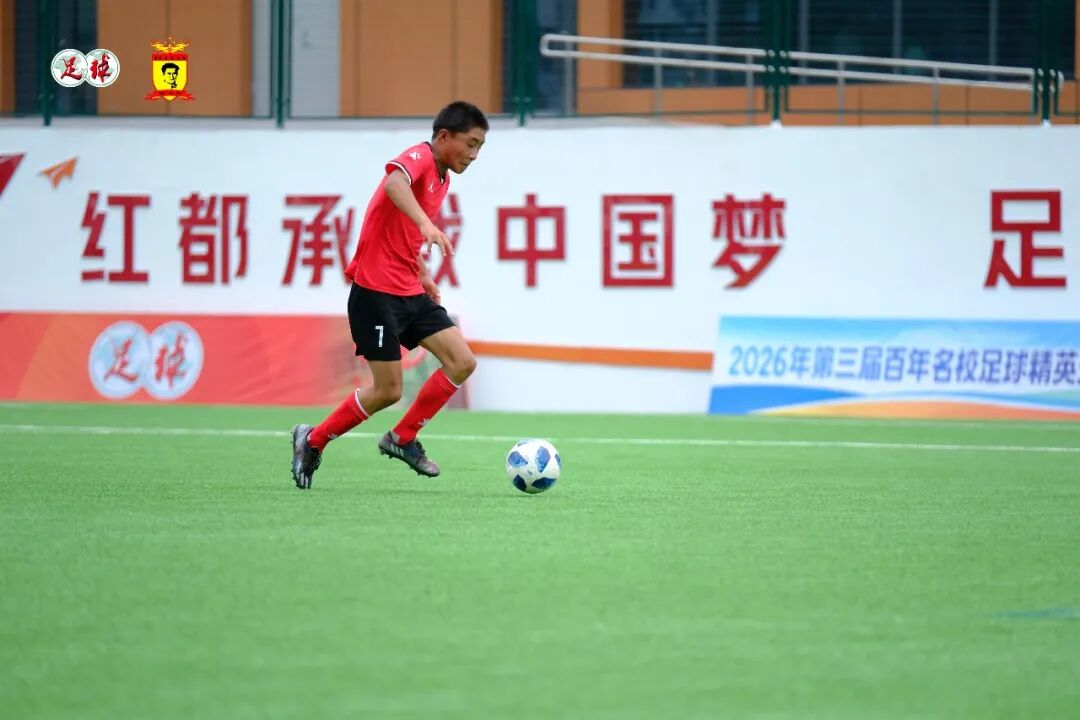
Early the next morning, Qumarlai Kris faced Chengdu Yingbin Road Primary School, which had a strong lineup. Zaba scored a free kick that curled into the top corner, finally completing his "redemption" from the previous match. In the afternoon, during a study tour, we sat down with Zaba to chat. This quiet child responded to our questions mostly with thoughtful silence. He said he started playing football because his brother is a player for the Qinghai Yak Team, and he wants to be like him.
Zaba Jiangcai lives on a plateau at an altitude of 4,300 meters. His parents are herders. Zaba is not good at expressing himself, but when he described the grassland where he lives and playing football there, his light brown eyes sparkled. It is a place where you can experience all four seasons in a single day. He would practice shooting constantly in front of a goal made of piled yak dung.
In Tibetan, "Zaba" has many meanings, most commonly "respected", and "Jiangcai" means "lake". In Qinghai, lakes are very precious to them. Zaba Jiangcai's parents have placed many hopes and wishes on him.
As dusk fell, under the glow of the setting sun, Kang Ning and Jiang Jianwei led the children in choreographing a Tibetan dance, a performance to be offered to their opponents at the social gathering. Although everyone had known how to dance since childhood, they lacked the on-field coordination when dancing together, each moving in their own way, which made everyone laugh.
At this moment, Zaba, who is usually the most introverted but the best dancer, stood in the center of the dance formation. Immersed in the rhythm, he danced with joy, and the coaches' eyes were full of pride. After the dance practice, the children gathered around our reporter and taught us Tibetan. "How do you say 'come on'?" The children raised their hands and blurted out "Paca (phonetic)". Jiang Jianwei explained, "Actually, there is no such word in Tibetan; it's an onomatopoeia for the moment when firewood just ignites." Just like these children from Yushu Qumarlai County, their growth has no ready-made template for encouragement, like firewood in the highland wilderness that no one deliberately lights, yet they take root, burn, and shine with their innate passion and tenacity.
Zaba's redemption is to be continued. We look forward to these young boys on the highland green, carrying the vastness and resilience of the grasslands, facing the wind and chasing the light, running hard on the football path, forever enduring.


Wonderfulshortvideo

mbappe news mbappe edit mbappe new shoe boot deal mbappe nike



julian alvarez barcelona news

James Trafford’s big moment in the U21 EURO final 🤯

RODRI BARCELONA transfer barcelona news today rodri to barcelona transfer here we go

gianni infantino and trump drama news

jorge messi death messi news today football news today

jose mourinho netflix documentary pep guardiola mourinho beef mourinho edit
 Links
Links
 Contact